







For fashion brands expanding internationally, a robust customs management framework can represent the difference between seamless global operations and a costly logistical nightmare. While many brands view customs as an unavoidable compliance burden, those that understand the system can transform these requirements into strategic advantages that enable faster, more cost-effective international growth.
Press play on this Beyond Threads webinar for expert guidance on navigating customs complexity and translating regulatory requirements into operational excellence. Get the full story from Katja Idsinga-Schellaars, Customs Director at Bleckmann.
This video is unavailable because marketing cookies have not been accepted. Click here to update your cookie preferences.
Why does customs management matter?
Customs management is a crucial element of any cross-border transaction. “In short, interaction with customs typically takes place prior to and upon arrival of goods, through filing declarations,” explains Katja. “For fashion brands, this means that customs decisions directly impact go-to-market speed, inventory costs and even pricing. The brands that excel internationally are those that recognise customs as a strategic function rather than a back-office necessity.”
Listen To Audio Only
Understanding the hidden complexities of fashion logistics
Fashion and lifestyle products face unique customs challenges that don’t apply to various other industries. Most significantly, the majority of fashion items attract significant customs duties, making your sourcing strategy directly impact the import costs you face.
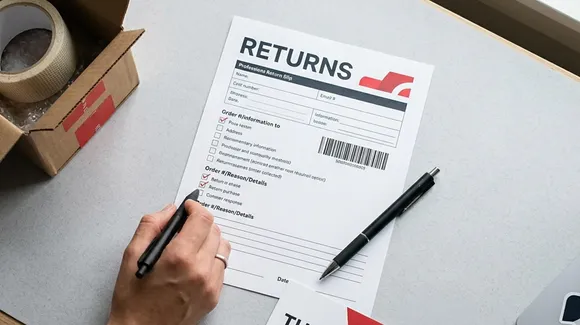
“Weight-based classification codes mean that small discrepancies in master data can result in incorrect tariff classifications,” highlights Katja. “High return rates create additional complications, as brands must carefully manage cross-border returns to avoid double duty payments.”
The complexity extends beyond individual imports. Every customs process involves multiple stakeholders – from manufacturers and transport companies to customs brokers and authorities – each holding essential information for accurate declarations. A missing detail from any participant can delay shipments or trigger costly audits. This makes effective communication and data-sharing essential for smooth operations.
Unlocking the strategic advantage of expert customs management
Working with a customs specialist can transform cross-border importation challenges into competitive advantages. Expert partners understand both regulatory requirements and the niche conditions of the fashion industry, helping brands navigate preferential origin rules and free trade agreements that can dramatically reduce duty costs. They can advise on strategic decisions such as whether to import products immediately or store them in bonded warehouses, optimising cash flow and supply chain management.
Specialist partners also provide access to sophisticated technology systems that integrate with inventory management platforms and ensure compliance across multiple jurisdictions. These systems don’t just process declarations; they provide insights that enable better sourcing decisions and more efficient international operations.
Ready to unlock your competitive customs advantage?
The most successful fashion brands treat customs technology and expertise not as back-office functions but as strategic capabilities that enable international expansion while maintaining operational efficiency. With the right approach, effective customs management makes ambitious international strategies possible, rather than being a barrier to global growth.
Press play on this Beyond Threads webinar for more insights and best practices on navigating customs complexity. And, if you’re looking for more expert guidance, get in contact for a free consultation with one of Bleckmann’s specialists.
__________________________________________________________________________________________________________________
Transcript
Katja:
Hello and welcome to the Beyond Threats webinar, where we untangle the complexities of fashion, logistics, and customs in a rapidly changing regulatory environment. My name is Katja Idsinga-Schellaars, Customs Director at Blackman, and I’m delighted to guide you through today’s session: Customs 101.
In the next few slides, I’ll explain when you encounter customs and the parties involved, discuss customs procedures, provide details on customs declarations, and conclude with considerations for fashion and lifestyle.
With any customs transaction, multiple stakeholders are involved. These include national customs authorities and the entity importing or exporting goods. Other supply chain participants, such as manufacturers or transport companies, may hold valuable information for your customs declaration. If you don’t have an in-house customs team, a customs broker may file declarations on your behalf. In short, customs come into play with any cross-border transaction.
Interaction with customs typically occurs prior to the arrival of goods, when you file a declaration, and during audits. Audits can happen at the time of filing or retrospectively and may focus on physical inspection of goods or on documentation provided by you or your broker.
When moving goods across a border, items are placed under customs supervision until imported or exported. Under this supervision, several procedures apply:
Imports and exports
Transit procedures (T1 and T2): T1 covers goods not yet imported (e.g., Rotterdam to Germany). T2 covers goods in transit between two EU locations via a non-EU country (e.g., Netherlands to Italy via Switzerland).
Processing procedures, which temporarily bring goods into a country for manufacturing before reexport. Consider whether duties are due on import and the final destination of your products.
A customs declaration is required for cross-border transactions. The declaration contains three main types of information:
Parties involved
Product identification (SKU, description, weight)
Duty calculation
For duty calculation: the value of goods must be accurate; zero value for samples is not accepted. Transportation, insurance, and royalties may be included in the customs value. Classification codes (HS codes or tariff codes) determine the duty rate. The country of origin may affect duty rates or restrictions; preferential or non-preferential origin rules apply.
Although customs rules apply to all goods, fashion and lifestyle products have specifics:
Most items are dutyable. Sourcing strategies affecting origin can impact applicable duty rates. Free trade agreements may reduce duties under certain conditions.
Classification codes may depend on product weight, so accurate weight in master data is crucial.
Fashion and lifestyle products have higher return rates, which should be considered to avoid double payment of duties when goods return to storage.
Low-value imports may be exempt from duties under the de minimis rule.
Decisions on local versus central stock can affect customs procedure choice, including whether to import products directly or store them in a bonded warehouse.
With this, I conclude today’s webinar. Thank you for your attention. I’m Katja, and I look forward to seeing you in the next Beyond Threats webinar.