






Benefits of circularity for fashion and lifestyle brands

Business growth
Create new revenue opportunities by bringing suitable renewed products back to market as second-life inventory.

Cost reduction
Recover more value from returned products and help reduce avoidable returns-related costs through renewal and resale.

Compliance readiness
Support your response to evolving textile circularity and waste requirements by keeping products and materials in use for longer.

Customer loyalty
Engage your customers through trade-in opportunities that give apparel and textile products a potential second life.

Waste reduction
Help reduce waste from returned apparel and textiles through product renewal, resale, recycling and other recovery options.

Sustainability
Extend product lifecycles and support efforts to reduce the environmental impact associated with textile waste and new product production.
Our services: trade-in, renewal and resale
TRADE-IN: Enable customers to trade in their products for potential resale or recycling, while improving how returned and damaged items are assessed and handled.
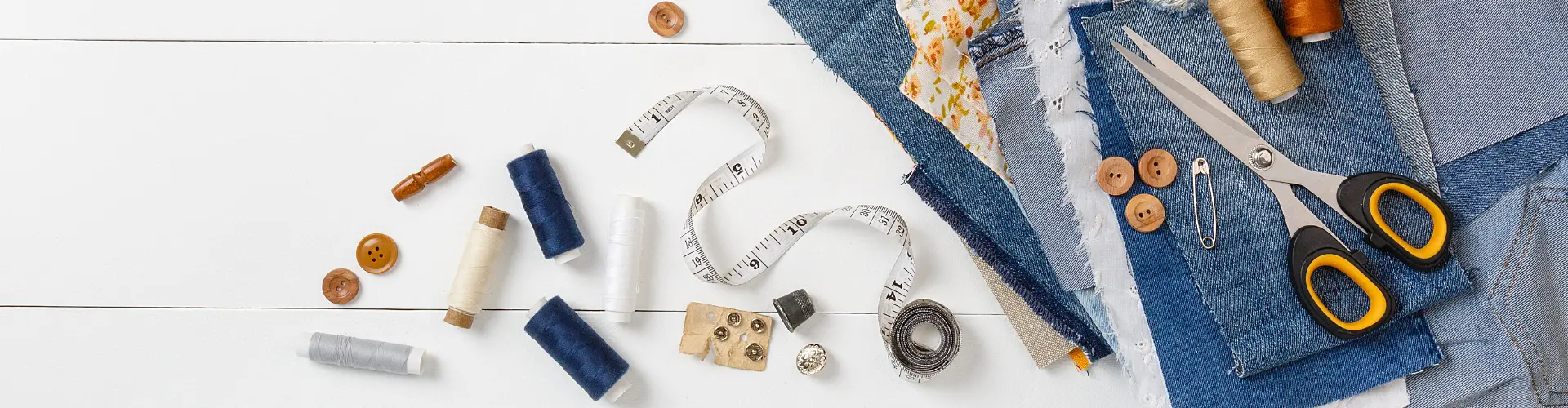
RENEWAL: Restore apparel and textile products that cannot be sold in their current condition, preparing suitable items for resale.
RESALE: Bring renewed products back to market as second-life inventory, creating new opportunities to recover product value.
Circular path: how our renewal process works
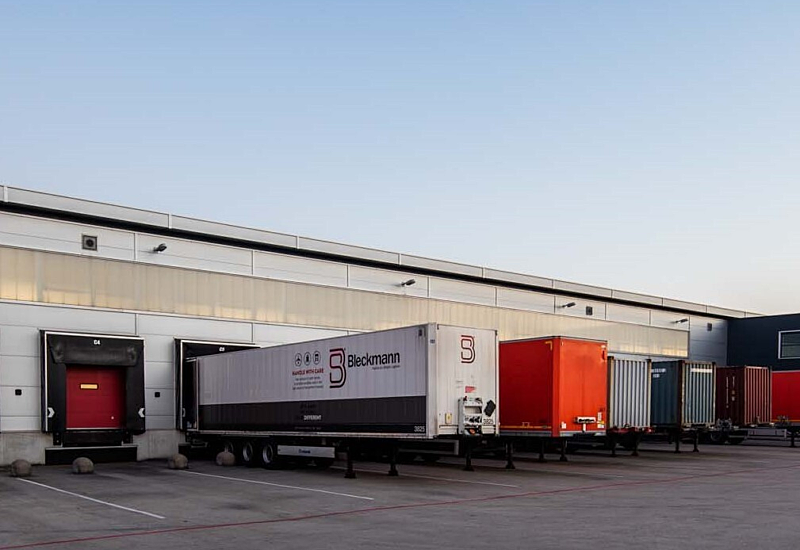
At our facilities, we manage the renewal process from collection and product assessment to resale or alternative recovery options. Each stage is designed to help brands recover value from returned apparel and textile products while minimising unnecessary waste.
Collection
Collect products through customer trade-in programmes, creating opportunities to assess items for renewal, resale or recycling.
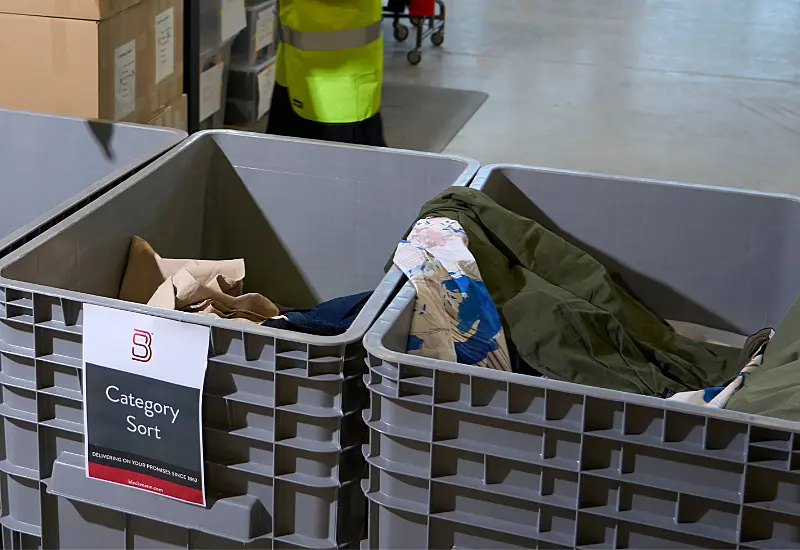
Sorting & grading
Physically sort and grade received products into categories to determine the appropriate next step in the renewal process.
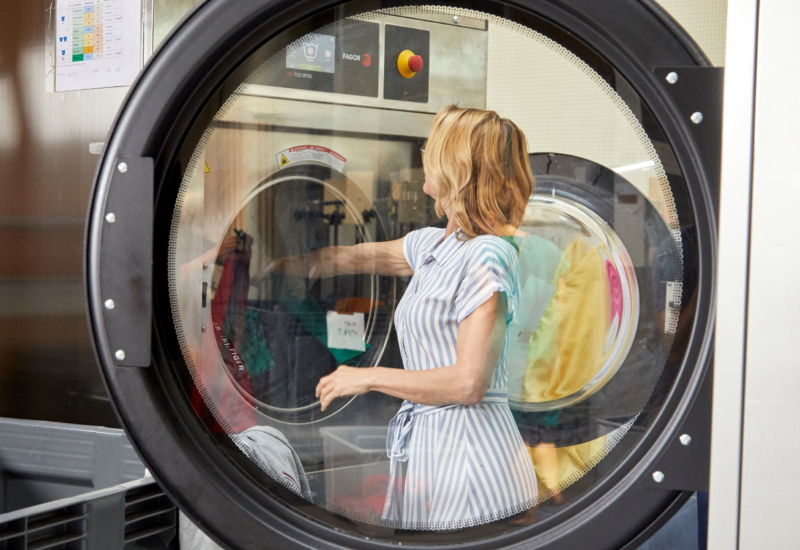
Cleaning
Clean products using methods and technologies suited to the different types of apparel and textiles received.
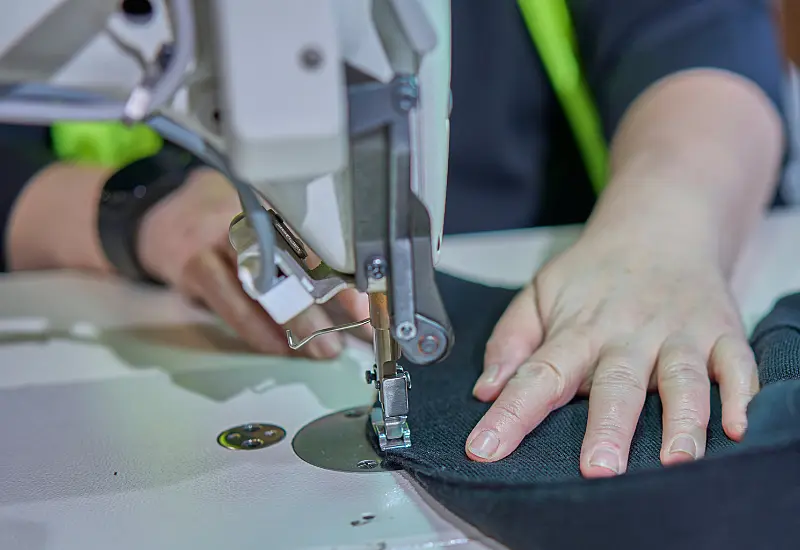
Repairing
Repair suitable items to improve their condition and prepare them for a potential second life through resale.
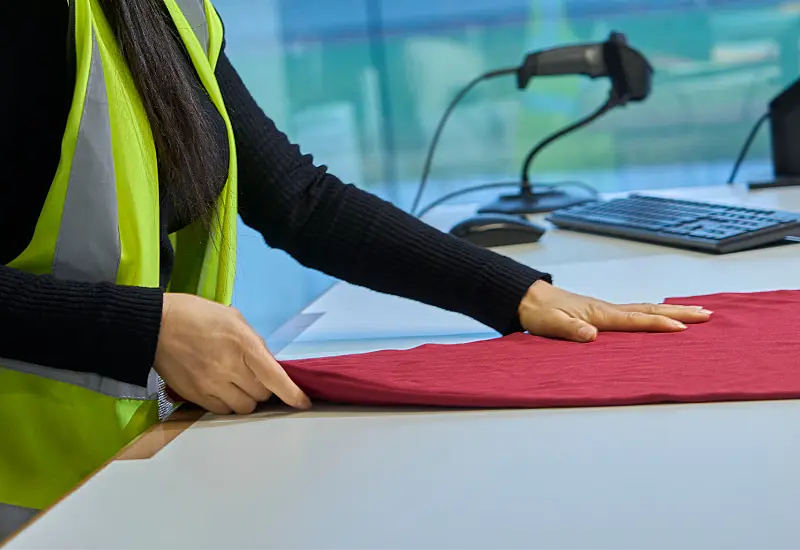
Quality assurance
Apply quality checks throughout the renewal process to assess product condition and prepare certified renewed products for resale.

Photography
Capture detailed product images to support the presentation and resale of renewed items.
Packaging
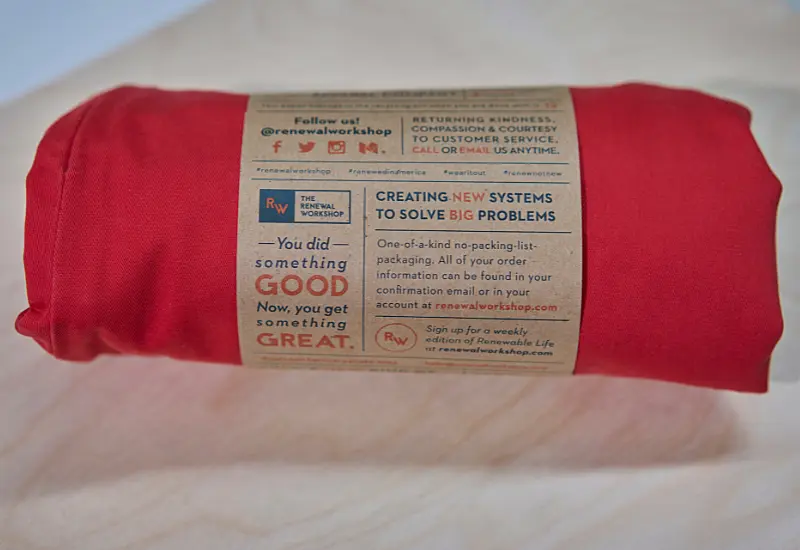
Prepare renewed products for resale with renewal certification labels and appropriate packaging.
Resale
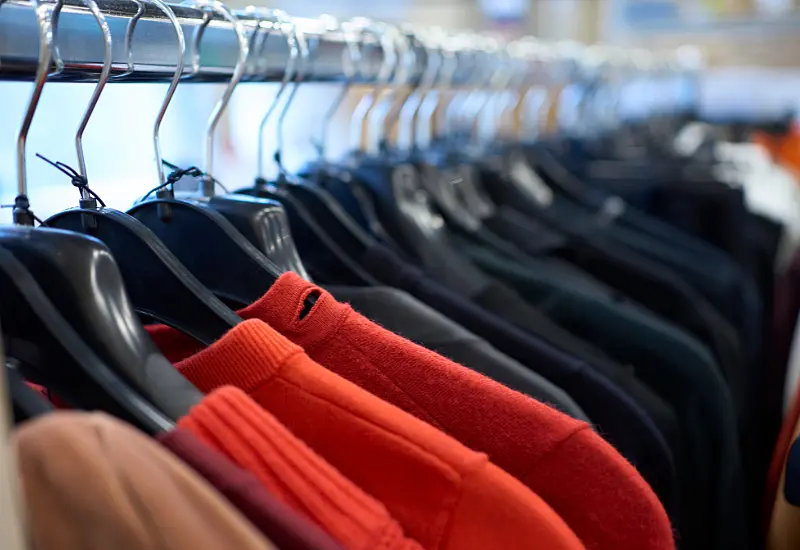
Offer renewed products a second life through online resale channels or physical retail stores.
Sustainable reuse
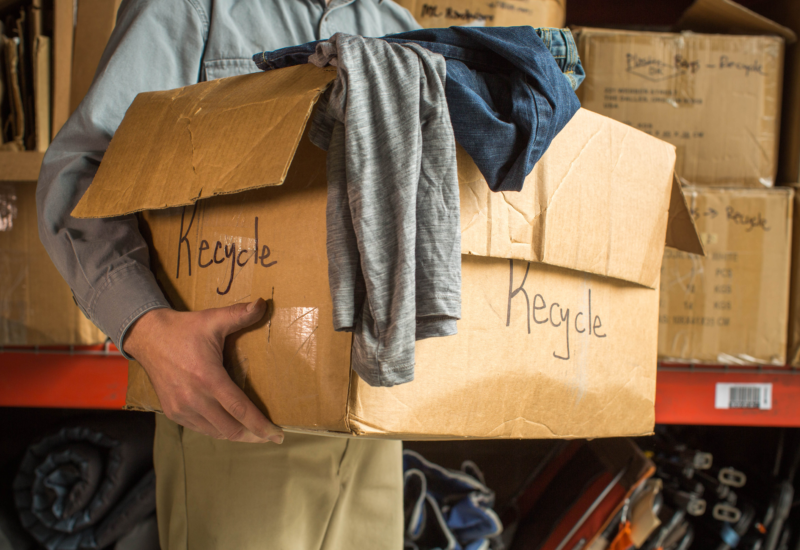
For items that cannot be resold, explore recycling, downcycling or upcycling routes to recover material value and help minimise waste.
About the Renewal Workshop
We deliver extensive renewal and recommerce services for your returned apparel and other textile products from your end-customers or retail stores. The renewal system, which we have created and keep constantly improving, enables you to restore products so they could be resold, generating new revenue opportunities for your brand. Moreover, you reduce your overall pollution, typically created from “waste” streams, and enable long-term new production reduction to offset carbon.
Ready to recommerce your products?

The potential for renewal to make a meaningful difference in the climate crisis is real. Our most recent research demonstrates that brands can achieve an average reduction of 51.5% in carbon emissions by renewing an existing product instead of producing a new one.
Bleckmann acquired The Renewal Workshop
In early 2022, we acquired The Renewal Workshop as part of our strategy to develop a fully circular supply chain proposition for our fashion and lifestyle clients. The acquisition of The Renewal Workshop enabled us to enhance our service portfolio with extensive collection, renewal and recommerce services. The comprehensive Renewal System truly complements our efforts to offer sustainable solutions to our clients.
Read the press release
Leading Circular 2025: Redesigning Ownership
Circularity is increasingly shaping how fashion and lifestyle brands approach product value, sustainability and supply chain operations.
In the fifth edition of our Leading Circular report, we explore the relationship between environmental responsibility and economic value, including the influence of evolving EU regulations such as the Ecodesign for Sustainable Products Regulation (ESPR).
The report examines the shift from product ownership towards value creation throughout the product lifecycle, offering insights to help brands develop more resilient and circular supply chains.
Is your brand ready for mandatory textile circularity?
The European Union is introducing measures aimed at reducing the environmental impact of the textile industry. These developments are changing the requirements and expectations facing fashion and lifestyle businesses.
Explore what the EU's approach to textile circularity could mean for your brand and how evolving legislation may influence your product and supply chain decisions.
Get In Touch
Let's talk about the right-fit logistics solution for your business. Our experts are ready to help you.
