









Fashion logistics combines high SKU volumes, short product cycles, seasonal inventory pressure and exceptional return rates. Managing that complexity requires accurate inventory control, flexible fulfilment capacity and reverse-logistics infrastructure built around fashion.
Speed, flexibility and visibility matter in every e-commerce category, but fashion demands all three inside one of the most operationally complex supply chains in retail, defined by explosive SKU counts, sharp seasonal cycles and return rates that dwarf those of virtually every other product category.
Stock keeping unit (SKU) proliferation
A single garment design multiplied across sizes, colours and fits can generate dozens of individual SKUs, each needing its own inventory position, location and barcode.29 Size and colour variants turn a manageable product range into a warehouse-level data problem, and because many apparel items look near-identical on the shelf, picking errors rise without barcode verification at every step.30 That SKU burden is accelerating: Zara produces several hundred thousand SKUs per year.31 Shein adds roughly 2,000 new items daily32 and was reported to be churning out as many as 10,000 new designs per day in 2023.33 Fast fashion has replaced the traditional two- or four-season calendar with 52 micro-seasons a year,34 and every micro-season adds another wave of SKUs rippling through warehousing, picking, packing and last-mile delivery.
Seasonal overlap and excess stock
That complexity peaks at the worst time: new collections land while last season’s stock still occupies warehouse space. Holiday rushes, seasonal drops and promotional periods pile fulfilment pressure onto teams already handling the widest spread of variants.35
When the season passes, unsold stock becomes a problem of its own: the industry produced between 2.5 and 5 billion excess garments in 2023 alone, representing USD 70 billion to USD 140 billion in lost value36 that must be stored, marked down or written off. According to the same 2025 report, the number of days fashion companies held inventory before converting it to a sale rose 4% from 2023 to 2024, pushing days-of-inventory outstanding to an all-time high and inflating warehousing and logistics costs.37
Regulation is closing traditional escape routes. Under the EU’s ESPR, large companies will be banned from incinerating or discarding unsold apparel, footwear and accessories from 19 July 2026, with the rules expected to extend to medium-sized firms by 2030.38 Brands can no longer write off excess stock; they must store, redistribute or recycle it, each of which demands additional logistics capacity and coordination. This makes fulfilment more than a back-office concern. The ability to flex warehouse space between seasons, clear stock through the right channels and scale without locking in permanent overhead separates brands that protect their margins from those that watch them disintegrate.
Returns rates
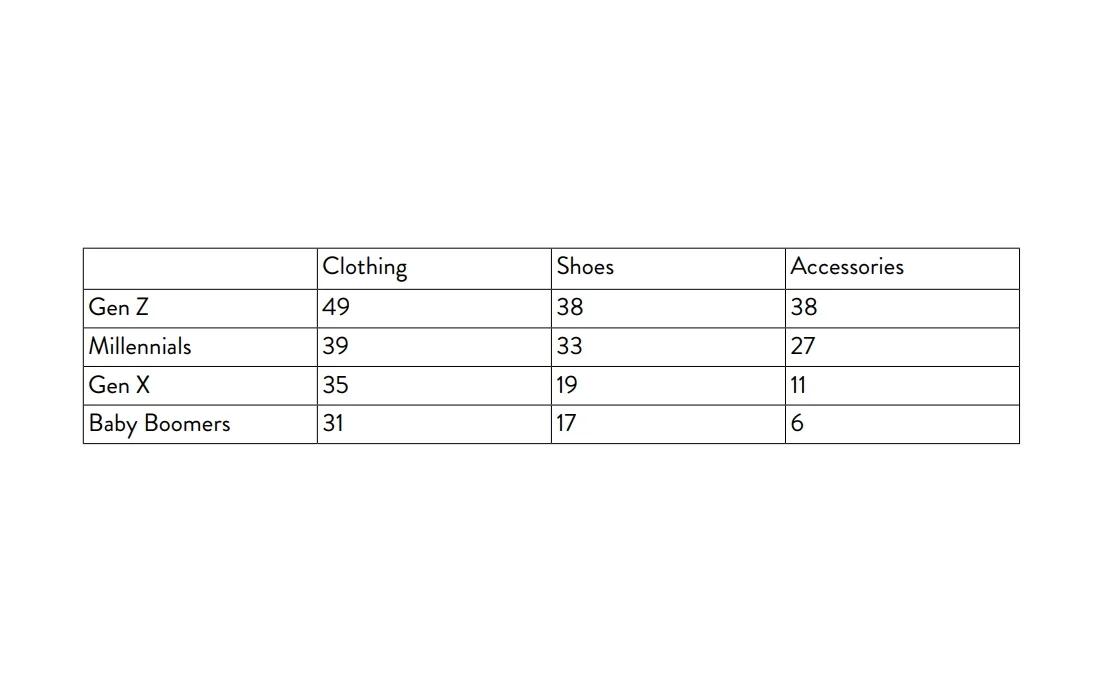
Clothing consistently records the highest return rates of any e-commerce category, typically 20% to 30%, and up to 50% for luxury fashion and swimwear.39 The generational picture makes the trajectory clear, with almost half of Gen Z online fashion purchases worldwide returned:
Share of e-commerce returns of clothing, shoes and accessories worldwide in 2024, by generational cohort, in percentage40
Every return reverses the fulfilment chain (inspection, repackaging, restocking or disposal) and in fashion, where garments may come back tried-on, without tags or out of season, many never re-enter full-price inventory.
Together, these three forces mean that fashion logistics operates at a level of complexity that few other retail categories face. Meeting the consumer expectations outlined above is not simply a matter of shipping faster; it requires systems, infrastructure and partners built for fashion’s operational reality.
The scale of fashion returns is clear; how to manage them, and at what cost, is addressed later.