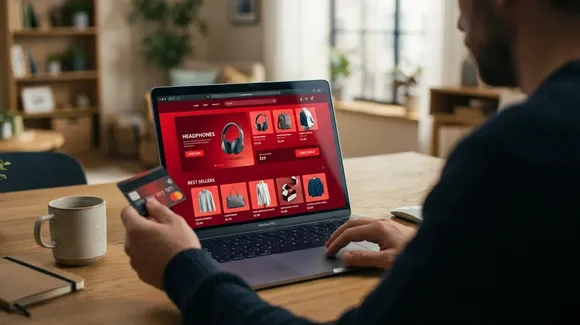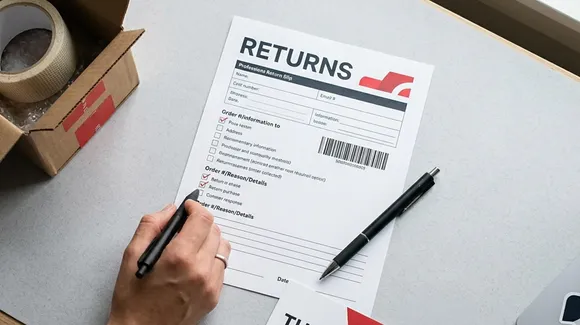









Fashion consumers increasingly expect lower prices, more sustainable choices and faster, more flexible delivery at the same time. For brands, that combination raises the importance of cost-efficient fulfilment, reverse logistics, traceability and reliable delivery performance.
Today’s fashion shoppers are motivated by three forces that do not always pull in the same direction: spending less, buying more responsibly, and expecting a delivery experience that is flexible, reliable and built around customer choice. Optimising for one often works against another.
Affordability
Affordability has returned to the top of the agenda. Over 80% of shoppers worldwide planned to spend the same or less on clothing, footwear and accessories in 2025, and over 40% in the US, UK and Germany were already spending less than the previous year.6
The result has been a structural shift in shopping behaviour. In the US, 64% of fashion shoppers were trading down towards the end of 2024, switching to cheaper brands, off-price retailers, resale and dupes. Even when asked to imagine having more discretionary income, over 70% said they would continue those behaviours.7 In the UK, 77% of consumers planned to cut fashion spending last year to economise.8 In Europe, consumers remain cautious, continuing to trade down across purchase categories even as GDP growth holds steady.9
For brands and their logistics partners, when the product itself is under margin pressure, the cost and efficiency of getting it to the customer become even more critical. Perceived value now encompasses the delivery experience, not just the product price.
Sustainability
Sustainability continues to influence purchasing intent, even if it does not always translate into behaviour. One area where it does is resale: second-hand clothing is expected to account for 16.4% of the global fashion market by 2029.10
As the market shifts, regulation is following. In the EU, the Ecodesign for Sustainable Products Regulation (ESPR)11 is turning voluntary commitments into legal obligations, while the revised Waste Framework Directive will require mandatory EPR schemes for textiles in every Member State over the coming years.12 The ESPR also has significant implications for unsold stock; see “Seasonal overlap and excess stock” below.
The UK’s Digital Markets, Competition and Consumers Act (DMCCA) empowers regulators to fine businesses up to 10% of global turnover for misleading sustainability claims,13 while textile-specific EPR is under active consideration.14 In the US, the proposed New York Fashion Act would require large fashion companies selling into the state to conduct supply-chain due diligence and publicly disclose environmental and social impacts, with penalties for non-compliance of up to 2% of annual revenues.15 For logistics operations, the tightening regulatory landscape adds new compliance layers, from product-level traceability and sustainability disclosure to the infrastructure needed to support reverse flows at scale.
Convenience
Convenience remains the silent differentiator, as US consumer data shows:
Consumer delivery expectations in the US in 2025 by percentage of online shoppers16
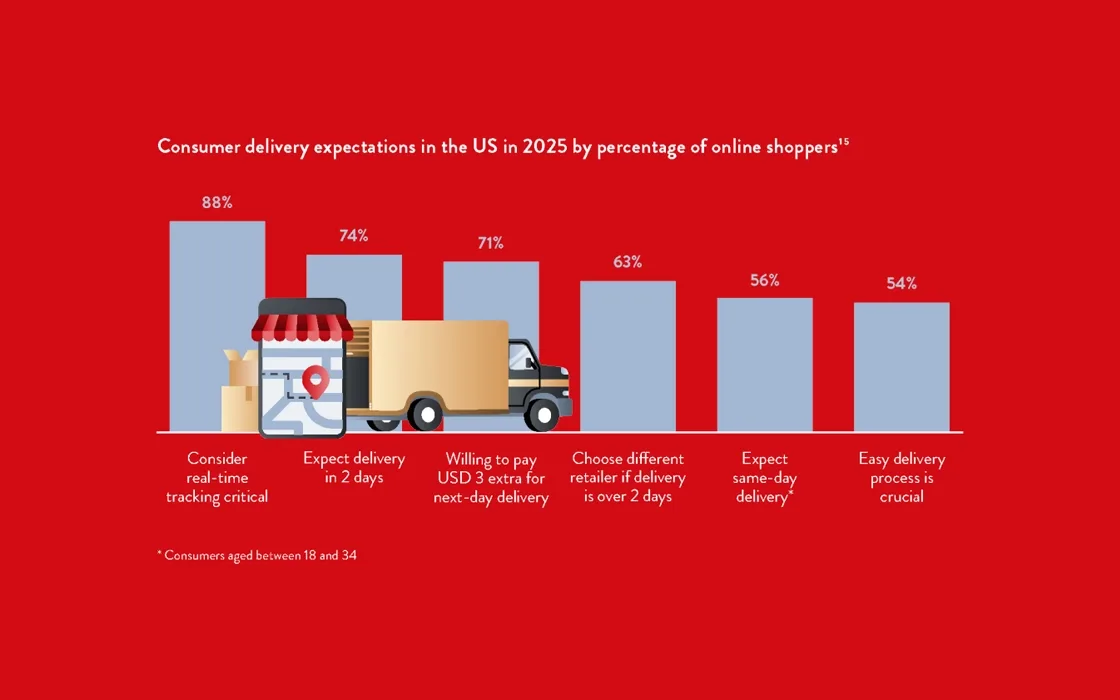
The bar for “good enough” logistics continues to rise. Real-time tracking is no longer a differentiator; it is table stakes. With 36% of consumers having abandoned a cart due to slow shipping,17 delivery performance is a direct lever on conversion. How these expectations translate into operational requirements is explored later.
These expectations have been amplified by ultra-fast-fashion platforms such as Shein and Temu. By combining vast assortments with low-cost or free delivery, these platforms have compressed the gap between what consumers expect and what established brands can deliver, not just in mainland Europe, but in the UK and the US as well. The regulatory response is now in motion: the EU has agreed to abolish the EUR 150 de minimis customs duty exemption, with a EUR 3 transitional flat-rate duty per item applying from July 2026,18 while in the US, the USD 800 de minimis threshold (used by Shein and Temu to ship over 4 million packages daily into the country duty-free) has been effectively eliminated under new tariff policies.19 For fashion brands competing across these markets, the challenge is ultimately operational.
The brands that thrive will be those whose logistics infrastructure can absorb these pressures without passing them on to the consumer as friction.