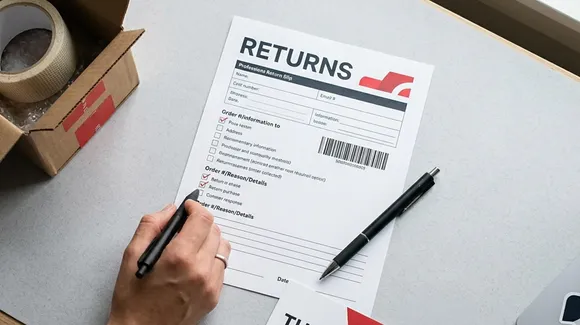









Fashion e-commerce is at an inflection point. The European and US markets are on strong growth trajectories, yet the logistics infrastructure underpinning that growth was designed for a simpler era of wholesale shipments and predictable demand cycles. Today, the operational requirements have changed. Consumers expect delivery options that balance timing, cost and convenience. At the same time, return rates in fashion remain structurally higher than in any other e-commerce category, regulatory obligations around sustainability are hardening into law, and competitive pressure from ultra-fast-fashion platforms continues to narrow the gap between what shoppers expect and what brands can deliver.
Decisions around fulfilment, inventory, returns and delivery increasingly influence one another, meaning improvements in one area can have a direct impact on costs, customer experience and performance elsewhere.
The forces reshaping fashion e-commerce logistics span the full value chain, from market dynamics driving growth and consumer expectations influencing conversion and retention, through to operational trends redefining how orders are fulfilled, returned and delivered. Omnichannel integration, warehouse automation, sustainability and last-mile strategy each present challenges, but the interaction between them, compounded by post-pandemic cost resets, nearshoring and tariff shifts, creates the most acute pressure, particularly for mid-market brands.
Navigating this complexity requires brands to look at logistics as an interconnected system rather than a series of individual challenges. Decisions around fulfilment, inventory, returns and delivery increasingly influence one another, meaning improvements in one area can have a direct impact on costs, customer experience and performance elsewhere. Building a logistics operation that can adapt to these changing demands is therefore becoming increasingly important for brands looking to scale sustainably.
The central argument is straightforward: logistics is no longer a back-office cost to be minimised but a competitive lever that determines which brands grow and which lose ground. The cost of getting logistics wrong is no longer a margin issue but a brand-perception issue. A late delivery, a clumsy return or an inability to fulfil across channels erodes not only a single transaction, but also the trust that drives lifetime value.
For most fashion brands, the path forward is not to build all of this capability in-house. The breadth of expertise required increasingly favours partnership with logistics providers who specialise in fashion and understand its unique rhythms. The brands that will thrive in the next phase of e-commerce growth will be those that treat their fulfilment network not as a cost centre to be squeezed, but as a strategic asset to be invested in and, where it makes sense, entrust it to partners built for this purpose.
Many of these dynamics extend beyond fashion into the wider lifestyle category, and beyond domestic fulfilment into the complexities of cross-border commerce – territory that deserves exploration in its own right.