







Accurate product photography, synchronised catalogue data and warehouse quality checks help fashion and lifestyle brands reduce product mismatches and avoidable returns.
Integrating these activities into 3PL fulfilment operations can improve product consistency across e-commerce channels and support customer trust.
From misleading product imagery to incorrect deliveries, even small fulfilment mistakes can have a significant impact on customer satisfaction. How can fashion and lifestyle brands prevent these common nightmares with simple finetuning of the logistics processes?
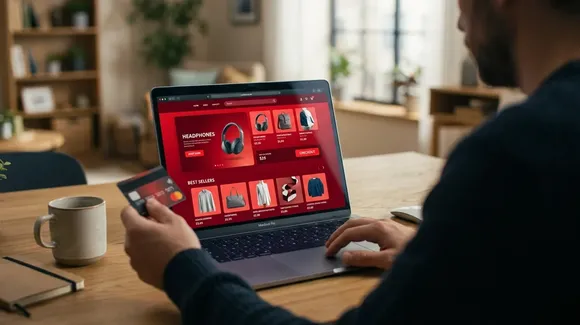
For fashion and lifestyle brands, delivering a positive customer experience starts long before a parcel reaches the customer's doorstep. From browsing an online catalogue to receiving an order, every interaction contributes to how customers perceive a brand. But what happens when the product looks different from the one advertised?
Nightmare #1: When the product doesn't match the picture
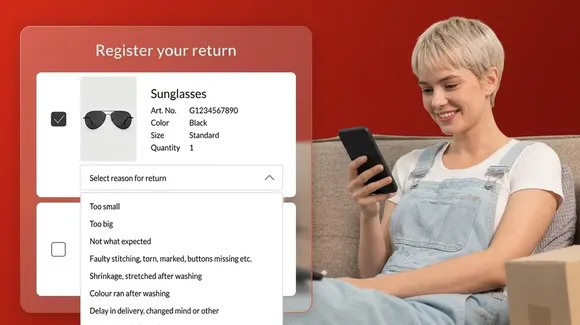
Imagine your customer ordering a jacket online, only to discover that its colour, fit or detailing looks noticeably different when it arrives. For customers, this leads to disappointing experience, and when not handles properly, can even lead to customer pouring their frustrations on brand's social media channels and review platforms. For brands, it can result in returns, additional operational costs and a potential loss of trust - all of which could have been avoided.
In fashion and lifestyle e-commerce experience, detailed and accurate product imagery plays an important role in purchasing decisions. Customers rely on photography, descriptions and product specifications to understand what they're buying. However, inconsistencies can arise when imagery is outdated, product variations are incorrectly represented, or catalogue information is not synchronised with physical inventory. These discrepancies can be particularly challenging for brands managing extensive product ranges across multiple markets and sales channels.
How can brands avoid this nightmare?
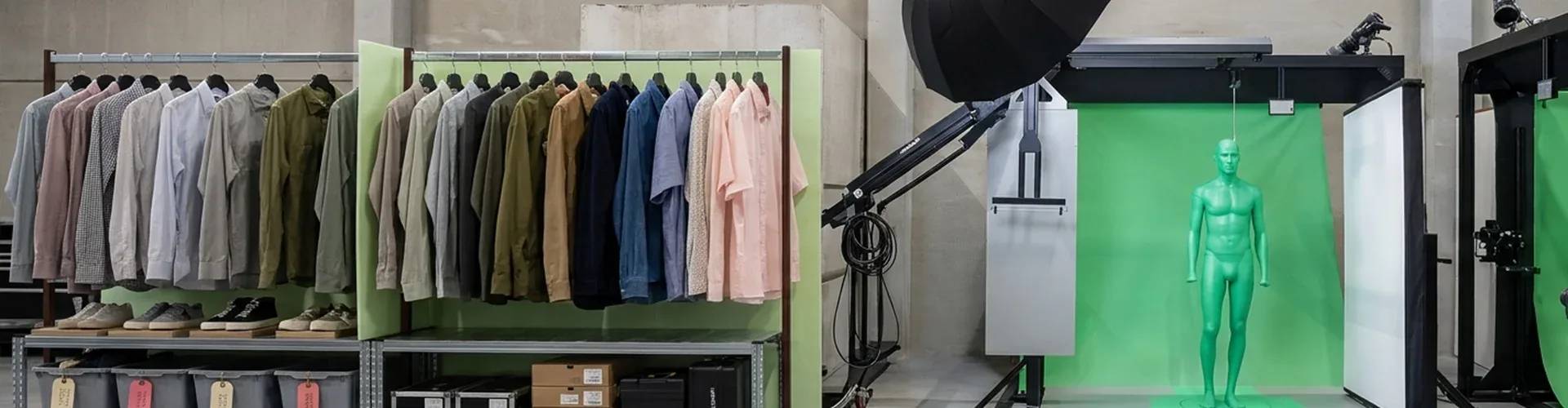
Accurate product representation requires close coordination between catalogue management and warehouse operations. One approach is to establish an on-site product photography studio within the warehouse environment, and implement product photography as part of your logistics operations. By capturing imagery directly from physical inventory, brands can improve consistency between what customers see online and what they receive. Combining product photography with structured product information management can further reduce discrepancies across sales channels.
For brands working with a third-party logistics (3PL) provider, integrating value-added services such as product photography, labelling and quality inspections into warehouse operations can help streamline processes and reduce unnecessary returns. Ultimately, accurate product information isn't simply a marketing consideration. It's an essential part of creating a reliable customer experience.
Want to prevent fulfilment nightmares before they reach your customers? Get in touch with our team to explore how Bleckmann can support more accurate, efficient and reliable logistics operations.