








A streamlined returns process is essential for driving customer satisfaction. But with more and more items being returned every year, this process is a significant operational burden for brands. So, how can you deliver an excellent customer experience while controlling costs? Read on to learn how a third-party logistics (3PL) provider can help you strike the right balance.
Prioritising the customer journey
From the customer’s perspective, the returns process should always feel seamless – all they need to do is hand the package to a courier or drop it off at a partner location. But enabling an end-to-end returns process requires significant logistical investment. “From managing line-haul and last-mile transportation to implementing integrated IT solutions, returns can be very costly for brands and logistics providers,” explains Peter Veenstra, Programme Manager for Returns at Bleckmann. “However, it’s important to weigh these costs against the potential loss you risk if your returns process fails to meet customer expectations.”
It’s therefore important to remember that the returns process is a key part of the customer journey. And the returns experience can have a significant impact on future brand loyalty. In fact, research shows that around 80% of consumers in Europe will not purchase from a brand again if its returns process is too complex. This makes it vital to ensure that your brand’s returns journey leaves a positive impression on customers to avoid dissatisfaction.
Enhancing the returns experience
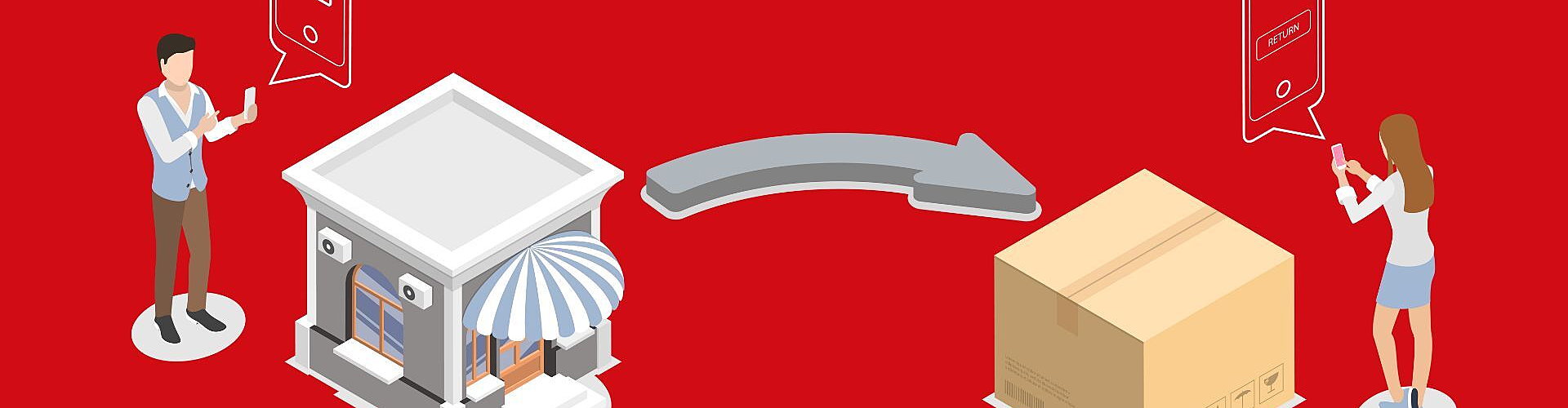
To ensure customer satisfaction, it’s critical to simplify the returns process. One way to achieve this is paperless returns. A customer can scan a QR code on their mobile phone at a designated drop-off point, eliminating the need for them to print out a label themselves. While this requires the logistics provider to invest in an integrated IT infrastructure, the convenience benefits could be pivotal in encouraging customers to shop with your brand again and again.
To further prioritise convenience and flexibility, it’s important to have a large network of partner drop-off locations that reflect the geographical spread of your customer base. This will ensure that customers always have a location close to them. Partnering with such locations can be expensive, especially if they’re in high-traffic areas such as high streets. But making it easy for customers to return their purchases will pay dividends in the long run.
Clear and consistent communication with customers is also a major selling point. For example, providing regular updates on the status of returns is important to let customers know when they can expect to receive a refund. “To improve the visibility of orders, Bleckmann has updated our returns process to include 12 key reporting milestones throughout the returns journey,” says Peter. “This provides much more insight into the status of returns, allowing brands to keep their customers much better informed – and reducing the likelihood of them calling your customer service department to find out when they’ll get their refund. This helps to free up your employees so that they have time to deal with more complex queries.”
Another part of the returns process that can cost you in terms of customer loyalty is your returns policy. Increasingly, customers will scrutinise a brand’s policy before making a purchase – and if it’s not clear enough, or if they think it’s unfair, they’ll go elsewhere. It’s therefore important to invest time in making sure your policies are easy to understand and tailored to your target audience. For example, customers of a luxury brand are less likely to accept return fees, given the price they originally paid. Therefore, charging them for returns may deter them from choosing your brand again. On the other hand, customers of sustainability-oriented brands may be more comfortable with the idea of paying for returns.
The importance of data in the returns process
Optimising the returns process through data collection and analysis can also help brands to reduce their costs. With an integrated online returns portal, it’s simple to collect data on the reasons why customers are returning items. Brands can then analyse this information to identify patterns and prioritise problem-solving. “We provide brands with a live dashboard displaying the top ten reasons why customers are returning products,” says Thomas Massop, Fit for the Future Programme Manager at Bleckmann. “This gives them insights into how they can improve their products or customer experience – whether a particular SKU has loose seams or the sizing information on their website needs to be updated.” Over time, using this knowledge can help your brand reduce your number of returns – and lower your costs.
Delivering on your brand’s promises
The returns process will always incur some unavoidable costs. But making further strategic investments to improve the customer experience can have an outsized impact on customer loyalty. That’s why it’s important to work with a logistics provider that understands the nuances of customer experience. “I think what sets us apart as a logistics partner is that we care as much as our clients do about their customers and the journey they are on,” concludes Peter. “As a key strategic partner to our clients, we help them optimise the returns process, transforming it from a functional necessity to a key part of the customer journey.”
Want to find out how you can tailor your brand’s returns process to improve customer loyalty? Get in touch today for a free consultation with a Bleckmann expert.