







With consumer demand for more sustainable fashion on the rise, apparel rental as a business model has grown significantly in recent years. Read on to find out how fashion rental platforms are changing the conversation around sustainability in the industry, and how third-party logistics (3PL) partners can help brands deliver exceptional customer experiences.
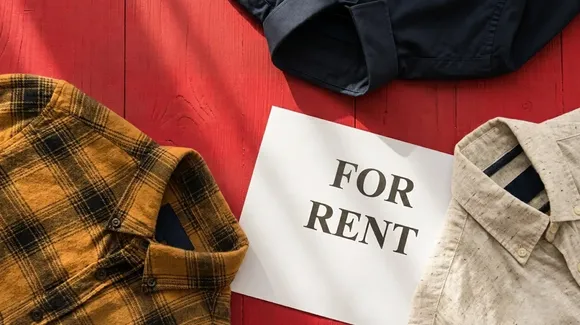
There is growing pressure from both consumers and governments to curb unsustainable practices in the fashion industry, and brands are looking to circular business models for solutions. This shift cannot come soon enough. The average European throws away around 12kg of textiles every year, and the fashion industry as a whole is responsible for approximately 4% of total global greenhouse gas emissions. In response to these environmental issues, a unique circular solution has emerged as a potential antidote to the ‘throwaway’ culture that currently fuels fast fashion: the rental of clothing and accessories.
Rental fashion has the potential to play an important role in a circular fashion economy. Companies such as Rent the Runway (RTR) have helped to pioneer the concept, but there is certainly untapped potential here. The market for renting, repairing, and reselling fashion items is currently valued at EUR 67 billion, with forecasts showing it could be worth up to EUR 639 billion by 2030. Rental therefore has the potential to help fashion brands unlock a more sustainable revenue stream and change consumer perceptions around the way we consume clothing. But for this change to take hold, brands need to put consumer experience first.
Consumer-led circularity
Given the significant scope for expansion in the circularity space, there is plenty of room in the market for more brands to adopt circular models. Bleckmann’s research shows that less than half of fashion and textile companies currently have circular fashion programmes in place. This is a missed opportunity. Millennial and Gen Z consumers are far more environmentally aware than previous generations and have shown a willingness to let their values guide their purchasing habits.1 Rental fashion offers an attractive and convenient solution to meet the needs of these modern shoppers.
Rental also breaks down an accessibility barrier for many consumers, allowing them to try on luxury items without having to pay full retail prices. This contributes to a green mindset shift, putting the onus on usage rather than ownership. Brands also benefit because more consumers use their products, helping to boost brand exposure and attract potential new customers who were previously priced out. An example of this is RTR’s option for subscribers to buy an item after renting it. Rental fashion can therefore unlock new revenue streams for brands that are willing to add circular models to their value-creation mix.
Prioritising convenience and service quality
For the fashion rental market to continue to grow as expected, brands must deliver a consistently excellent customer experience. While consumers are certainly becoming more aware of the environmental impact of their actions, many still prioritise convenience over sustainability. Innovative and agile logistics can play a key role in making fashion rental an attractive option for more shoppers. For example, in 2018, Rent the Runway partnered with WeWork to install drop-off boxes at 15 shared workspace locations across the US. Similarly, LENA The Fashion Library set up four swap points across Amsterdam to make it easier for customers in the city to rent clothes. Both approaches emphasise convenience for customers and operational efficiency for brands, and highlight the need for robust and agile logistics.
Accurate inventory tracking is critical to the success of such business models. Brands such as Something Borrowed, for example, allow users to temporarily borrow items from each other, which requires real-time inventory monitoring to track items throughout the supply chain. A trusted third-party logistics provider will have the necessary technology and skills to provide this, giving consumers complete peace of mind about the whereabouts of their clothes. Find out more about the importance of accurate inventory management in this article.
Expertise in the fashion industry is also a key consideration when choosing a logistics partner to support rental operations. It’s particularly important to consider the range of value-added services the 3PL offers to meet the logistical needs of such models. These should include cleaning, product photography, repairs, quality assurance and returns management – all of which are essential to ensure that items reach users in perfect condition.
Towards a circular fashion future
The growth of rental fashion looks set to deliver significant environmental benefits. Rent the Runway (RTR) estimates that since 2010 it has prevented the production of over 1.3 million new garments, saved 67 million gallons of water and avoided over 22,000 tonnes of CO2 emissions. These figures demonstrate the potential for increased sustainability in the fashion industry by embracing renting as a form of fashion circularity. And with 10% year-on-year growth forecast to 2027, now is the time for brands to embrace fashion rental. So, if you’re looking to explore your rental options, an experienced 3PL partner can help brands work towards their sustainability goals while delivering an exceptional customer experience.
For more information on circularity for fashion and lifestyle brands, why not download our 2025 Leading Circular Report today? And if you’d like to talk to a Bleckmann expert about your circular strategy, get in contact for a free consultation.