






The EU Green Deal’s legislative framework for fashion and textiles is now taking effect in phases between 2026 and 2030, including legislation on the destruction of unsold products and the introduction of compulsory Digital Product Passports (DPPs). As law makers push ahead with regulations, shoppers are also voting with their wallets, choosing to shop around for more sustainable clothing options
So, how can brands meet these expectations? For many in the fashion industry, circularity is the answer. Circular models seek to extend the life of a product beyond the initial purchase. For example, brands can rescue inventory that's damaged in transit, repair damaged returns and resell them as new, or offer customer repair programmes to extend the lifecycle of existing products. But as well as improving your brand’s sustainability credentials, circularity offers a number of valuable opportunities to create new revenue streams. Read on to find out how and why – and you might be surprised at how beneficial this transition can be.
What’s driving the shift towards circularity?
The traditional strategy in the fashion industry has been simple: produce more to make more profit – growth is directly linked to production. “It feels like a lot of industry leaders are caught in this loop – when you've spent your whole life doing one thing, it’s really hard to think differently,” explains Hans Robben, Programme Manager of The Renewal Workshop at Bleckmann. But this approach seems to be running out of steam. Trends show that demand growth in the EU, one of the world’s biggest fashion markets, is slowing.1 And simply lowering prices won’t solve the problem: it’s becoming increasingly clear that consumers are prioritising sustainability considerations in their fashion choices.2 In this context, many fashion CEOs are looking for business models that offer more opportunities for future growth.
Circularity: Reimagining growth in the fashion industry
One way in which brands can meet these rising consumer expectations is by implementing circular solutions. Circularity in fashion aims to create a ‘closed-loop system’. This means the life of a garment doesn’t end when it reaches the customer. Instead, the item remains in a loop that sees it go to a customer, then back to the producer, who either repairs and resells it or recycles the materials and produces a new garment.
How does circularity represent a new approach to growth in the fashion industry? “Crucially, it decouples revenue from production”, Hans explains. “Circularity means that a brand has more opportunities to generate revenue from an item above and beyond its sale to the customer. Supporting the continuation of the product's journey, even after it has been delivered, opens up many benefits and new revenue streams.”
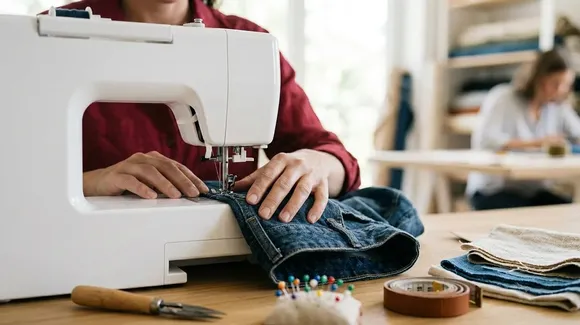
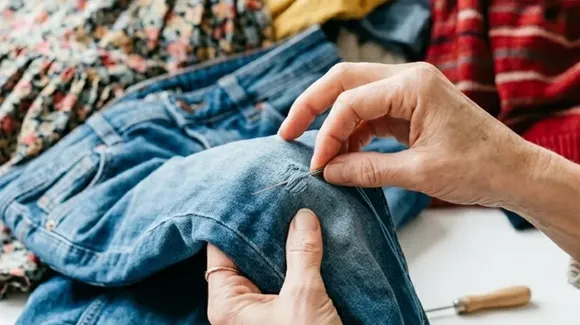
First, many after-sales services can be provided. If the customer needs an item repaired, a well-established closed-loop logistics system makes it easy for them to send it back to the manufacturer. Brands can also offer an upgraded service, such as updating a dress in line with the latest trends or adding functional extras, like pockets. This helps to build customer loyalty both by increasing customer engagement and by positioning your brand as a front-runner on sustainability topics.
Second, improved recycling can be a major asset. A closed-loop logistics system means that the product, and all the data associated with its material composition, remains within the brand’s control. When the item is returned, the brand already knows what it’s made from, making it easier to repair, repurpose or recycle. In the long term, this can lead to lower overall raw material and waste management costs. And, as supply chain disruptions continue, a closed-loop system can help to mitigate the risk of raw material shortages.
Third, circularity offers great flexibility in terms of business models. For example, MUD Jeans offers a peer-to-peer resale service where customers can resell the MUD Jeans they no longer wear, or discover a pre-loved pair ready for them to try. By extending the lifespan of each garment, MUD Jeans customers make better use of what already exists. The idea is simple: more wears per garment means a lower impact per wear. And the model also allows customers to be part of something bigger, creating a community of brand-loyal sustainable fashion enthusiasts.
In addition, there’s an innate customer loyalty mechanism built into a circular model. By making it easy to return items and access repairs, upgrades and replacements, customers are encouraged to return to the same retailer. And with brand identity on the rise as a driver of consumer choice,3 building circularity into your supply chain management can help you integrate sustainability into your overall brand story more effectively – helping your brand stand out in a saturated market.
Why fashion circularity is here to stay
While the benefits of circularity are clear, implementing a circular business model can sometimes seem too complex or expensive. However, the right logistics partnerships can help brands get circular streams up and running and fully integrated into their existing supply chain operations. Often brands opt to get started with a pilot project, but and circularity can certainly be implemented step by step, starting with a specific product line or type, before expanding in line with consumer demand. This kind of scalable growth is made possible through versatile and flexible backend logistics partnerships.
Legislation is adding further momentum to fashion circularity. For example, as part of the EU’s strategy for sustainable and circular textiles, some manufacturers selling fashion items in Europe are now required to embed DPPs into their products. The aim is to improve oversight of product life cycles. These identifiers can also provide details of authenticity, the materials used, the original style specifications and end-of-life instructions – making it easier to repair, resell or recycle products when they’re returned by consumers.
Legislators are also pushing for more transparency on carbon emissions and material waste, so these are also key responsibilities for fashion brands now and in the future. That’s why establishing a closed-looped system can also be a major asset, giving brands a clearer overview of their entire value chain. When you have the full picture, it’s much easier, to understand your impacts and make continuous improvements. Brands that embrace circularity can therefore stay ahead of regulatory requirements while attracting more customers who want to reduce the environmental costs of their fashion consumption.
Want to find out how your brand can explore circular business models? Get in contact today for a free consultation with a Bleckmann expert.