






It seems the tide has finally turned. Fashion resale has gone from fringe activity to unstoppable force, posting double-digit growth for the fourth consecutive year in 2024 – outpacing the traditional apparel market, which grew just 0.1% over the same period. Meanwhile, regulation in Europe is accelerating the shift, with wide-ranging regulations such as the EU’s Extended Producer Responsibility framework for textiles and Ecodesign for Sustainable Products Regulation coming into force in the near term.
It’s fair to say, then, that circularity has firmly hit the mainstream. But while this has driven real traction for more sustainable consumption models, it also poses a potential dilemma for brands: when models such as resale, repair and take-back are popping up across the brand spectrum, how do you make sure that circular models add long-term value? Below, we explore two examples of brands that have taken circularity far beyond the pilot stage and embedded it into their strategy to drive sustainable engagement.
Nudie Jeans: Putting repair front and centre
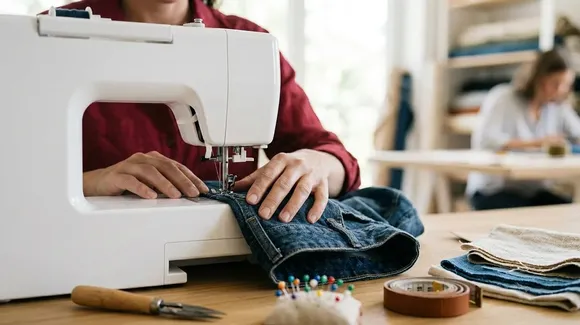
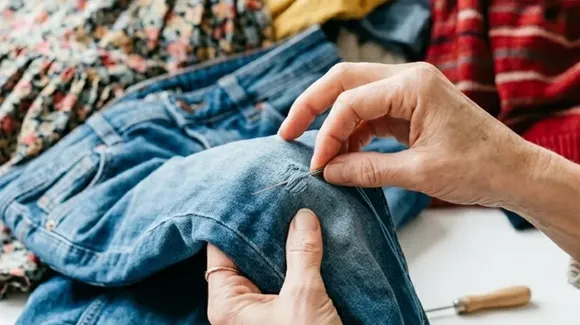
Swedish denim brand Nudie Jeans built its circular positioning around a physical, visible commitment. Every Nudie-owned store doubles as a repair shop, with staff mending denim at an in-store sewing station, and the brand offers free repairs on any pair of Nudie jeans, regardless of where or when they were bought. Customers who return a worn pair receive 20% off a new one, and returned jeans are cleaned and resold under the brand’s own ‘Re-use’ collection, displayed alongside new stock rather than hidden away. The brand has repaired roughly 500,000 pairs of jeans since launching the programme.
What makes this approach distinctive is placement, not simply scale. Repair sits directly in brick-and-mortar stores, not hidden away on a separate portal. For a mid-market brand without a luxury price point or a famous product to fall back on, that visibility of the repair process (and its results) does much more for credibility than a simple sustainability page. Nudie carries this through to the product itself: garments are tagged ‘Free repairs forever’, turning an operational commitment into a promise customers see every time they enter the store. It’s a powerful case of using repair as a powerful lever for loyalty.
Which circular stream is right for your brand?
As the options for circularity keep expanding, knowing how each ‘stream’ works, and where it creates value for your customers, matters as much as adopting one in the first place. Here's how each inflow can help sharpen your brand's circular positioning.
Damaged returns – Turning faulty or damaged stock into repaired, resaleable products protects margin on items that would otherwise be written off, and signals that your brand takes quality seriously even when something goes wrong.
Trade-in – Rewarding customers with store credit for pre-loved items keeps them inside your ecosystem rather than sending them to a third-party resale platform, building loyalty while feeding your own branded resale channel.
Feedstock for textile sorters – Routing true end-of-life garments to recycling or fibre recovery partners closes the loop your other streams can't, and demonstrates a credible answer to what happens when a product truly can't be reused.
Customer repair/warranty – Standing behind a garment after the sale, not just at the point of purchase, reframes durability as an ongoing brand promise rather than a one-off design claim.
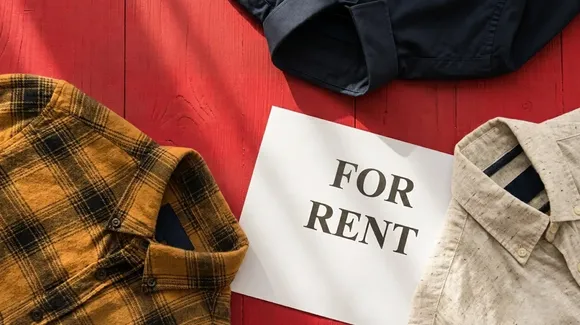
Rental – Letting multiple customers use the same product extends its working life and opens your brand to occasion-led or budget-conscious shoppers who wouldn't otherwise buy in.
Remake/upcycle – Transforming pre-consumer garments into new products turns manufacturing waste into a distinctive, often limited-edition, proposition that new-materials sourcing alone can't offer.
Production errors – Renewing or repurposing rejected or transit-damaged stock before it reaches the market keeps disposal costs down and supports your sustainability numbers without customers ever seeing the issue.
No single stream fits every brand. The right combination depends on your product range, your typical inflow profile and where your customers expect to meet you, in the returns process, in-store or through a dedicated resale channel.
Decathlon: Design for scale before you need it
Decathlon offers another example of the value that deeply integrating circularity can bring. It built circularity as shared infrastructure from the outset, rather than a single flagship programme. Its Second Life buyback and resale scheme now runs alongside rental and repair. It also operates a resale marketplace where other companies can list their own refurbished products under the Decathlon banner. In 2024, the retailer sold more than 1.35 million second-life products worldwide, while 95 partner companies used its marketplace to sell reconditioned or used goods across 21 countries.
The lesson here is that an effective business model can be the best demonstration of commitment. The brand didn’t treat buyback, repair and resale as separate initiatives from the core business. It built one system that could absorb all three, and then opened that system to partners, positioning it as a leader. Outdoor and sports brands with strong repair cultures already are well placed to follow this pattern, but the principle – building a solid infrastructure and letting it carry multiple circular models – applies more widely.
Getting the strategy right depends on the operational backbone
What these approaches show is that distinctive circular positioning starts with the customer-facing strategy, but succeeds because of the operational backbone behind it. That backbone is the operational capability that customers never see: reliable inspection, cleaning and routing of returned products at volume. As circular buy-in grows, the case for a more integrated approach only strengthens. There’s no better way to demonstrate your commitment than putting the foundations in place for future growth.
Want to find out more about developing your brand’s circular strategy? Get in contact today for a free consultation with an expert from Bleckmann’s Renewal Workshop.