








Charging for fashion returns can help control reverse-logistics costs and discourage avoidable returns, but it may also affect conversion and customer loyalty. Flexible policies combining fees, exchanges, store credit and in-store returns can help brands balance margin protection with customer experience.
With returns costing on average 66% of an item’s value to process1, many brands have started charging a return fee to mitigate the costs. But this policy may be overlooking opportunities to retain customers by offering alternatives to a straightforward refund. Read on to explore the benefits and drawbacks of charging for returns – and discover how a third-party logistics (3PL) partner can help your brand operate a wide range of alternative returns models.
Finding the right returns policy for your brand
When it comes to returns, it’s important to consider your brand’s target audience. For example, brands with a strong sustainability ethos may find that their customers are more willing to pay for returns than others. But with more and more shoppers researching online returns policies before committing to a purchase, charging a fee can also put consumers off buying items in the first place. Finding the right balance is key, so it’s a good idea to explore the pros and cons of charging for returns before deciding which approach is right for your brand.
Charging for returns – could it work for you?
Many brands across Europe and the US are charging for e-commerce returns.2 3 There are several reasons why this practice has become increasingly popular in the fashion and lifestyle industry. For one thing, it can help mitigate the costs of reverse logistics for brands – such as the costs of transporting and handling returned goods and packaging materials.
A return fee can also discourage practices such as ‘wardrobing’, whereby shoppers buy an item online, wear it once and then return it. Another common practice is ‘bracketing’. This refers to customers ordering multiple sizes, colours or styles of a product – with the intention of keeping only the one that fits or suits them best. Charging for returns may encourage shoppers to consider their purchases more carefully, leading to lower return rates, less waste and a reduced environmental impact. However, this strategy should also be combined with more accurate online sizing information to ensure customers can make informed decisions.
Note: If you’re considering charging for returns, make sure you have a clear returns policy.
Returns fees: The case against
While there are certainly benefits to charging for returns, keeping returns free can be an essential lever for ensuring customer loyalty. Indeed, research by ECDB found that 46% of German consumers would buy less if a retailer introduced return fees, while 20% would switch retailers entirely.4 Charging for returns could risk alienating loyal customers. And in a retail landscape where return fees are becoming increasingly common, free returns could be a significant competitive advantage. However, many brands are finding a middle ground.
Can the returns process drive customer loyalty?
With the potential for returns policies to erode customer loyalty,5 it’s key to keep the customer experience top of mind. Indeed, the returns process can become a powerful retention driver. For example, some retailers are introducing the concept of ‘cross-selling’ to consumers. This means offering free returns if the customer chooses to exchange the returned item for another product. This way, the brand can retain more of the original purchase value6 while improving customer engagement.
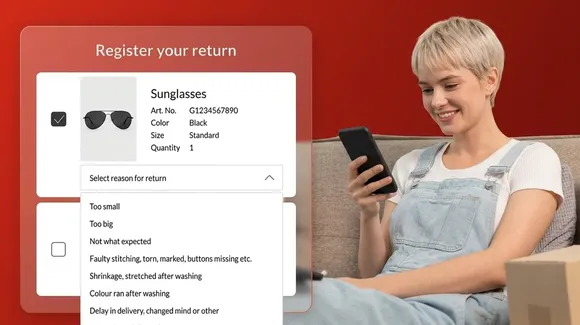
Creating a more engaging returns process can have further strategic benefits. “By embedding customer feedback functionality into your returns portal, you can gain valuable insights into why people are returning certain items,” explains Ruud Mars, Director of Business Development Transport at Bleckmann. “For example, if your customers tell you that they’re unhappy with the fit of your product, you should consider updating the sizing information on your website – or even implementing augmented reality tools to address this.”
Another effective strategy is to offer credit or loyalty points instead of a direct refund. This approach helps to mitigate the cost of returns by incentivising the customer to keep shopping with your brand. For brands operating an omnichannel model, it may also be beneficial to offer free returns on the condition that the customer brings the items back to your store. More and more consumers prefer this option to arranging for returns to be sent by courier.7 And with the improved cross-selling opportunities offered by physical retail, the business benefits are clear.
Creating the ideal returns portal
With so many ways to optimise returns, creating a tailored returns process should be a priority for fashion and lifestyle brands. And working with your logistics partner can be a great help. “Bleckmann’s dedicated returns team can support you to create an integrated returns portal that incorporates a wide range of features to create a framework that reflects your brand’s ethos and target audience,” concludes Ruud. “Whether you choose to leverage cross-selling or in-person returns, we have the infrastructure and IT know-how to make the process as seamless and engaging as possible.”
Wondering whether your fashion or lifestyle brand should charge for returns? Get in contact today for a free consultation with a Bleckmann expert.