








QR-code returns remove friction from reverse logistics by replacing printed labels with a simple digital handover. They can also support faster refunds, better returns tracking and richer operational data for fashion and lifestyle brands.
Simplicity is key to creating a great customer experience, and that’s especially true when it comes to the returns process. Complex and time-consuming systems can put shoppers off and potentially damage customer loyalty, so brands need to make ease of use and accessibility a top priority. But QR codes can provide a simple and streamlined solution. Read on to discover how you can optimise your logistics operations for a seamless returns process.
Why use QR codes in the returns process?
In an increasingly saturated fashion and lifestyle market, the ease and flexibility of the returns process can be crucial to differentiating your brand from the competition. “Returns are becoming an important part of how a brand markets itself, and ease of use is at the top of the list,” says Michelle Stolk, Programme Manager for Returns at Bleckmann. “That’s why it’s so important to implement returns solutions that are simple and intuitive for customers.”
Implementing a paperless returns process
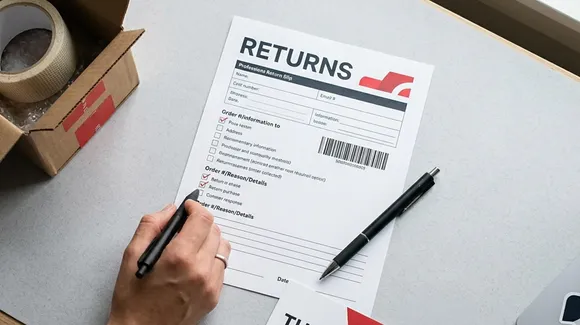
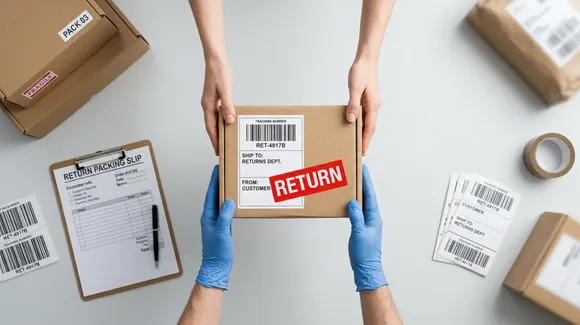
Using QR codes instead of paper labels is one way to make the returns process more user-friendly. Customers receive a QR code via email or on an app, which they can show when dropping the package off with a courier or at a partner location. Once the customer’s QR code has been scanned, the carrier takes over and the customer has nothing more to worry about.
The benefits of using QR codes to manage returns
User-friendly
QR code returns help to remove the traditional pain points of the returns process, making it much easier and more accessible for customers. Paper return labels are also easy to misplace and can be time-consuming to affix to packages. Some brands also require customers to print their own return labels at home, which is inconvenient for those who don’t have a printer. Using QR codes removes this obstacle. And because QR codes are typically generated after a return request has been made, they give customers more flexibility. For example, if a customer has requested an exchange, they can choose to have it sent to a different address.
Faster refunds
With traditional paper-based returns, consumers may have to wait for their item to be received by the brand’s logistics provider before they’re refunded. QR code-based returns can significantly speed up the refund process. In fact, some brands will initiate the refund process as soon as the customer’s QR code is scanned at the drop-off location. This gives consumers the peace of mind that they won’t have to wait for their money to be credited to their account.
Data-driven transparency
Another benefit of QR codes is that they make it much easier to track packages throughout their journey from the customer back to the logistics provider. With paper return labels, a logistics provider may not know that the item is on its way until it arrives back at the fulfilment centre. With QR codes, however, the logistics provider is notified as soon as the customer leaves the item at the drop-off point or with the courier. This increased visibility means the logistics provider can plan resources and inventory in advance to streamline the logistics process – among a range of other operational and customer satisfaction benefits.
QR codes can store more information than barcodes, facilitating a smoother reverse logistics process. For example, consumers may be asked to note the condition of the item before the QR code is generated. A 3PL can then prioritise incoming items according to this information, ensuring that the items are directed to the correct area of the warehouse. Damaged items can be sent directly to the repair zone, while unmarked items can be returned directly to stock.
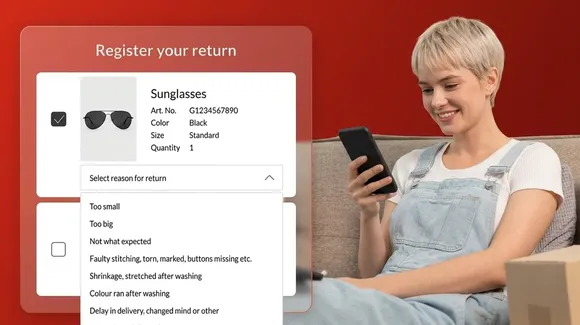
Some brands also ask customers to provide the reason for their return, which is stored via the QR code. By analysing these reasons across a sufficient number of orders, brands can identify trends and adjust their operations accordingly. If a large number of returns are due to a specific issue, such as a faulty zipper, the brand could discuss this with its supplier. On the other hand, if the problem is incorrect sizing, the brand could consider improving the clarity of the sizing information on its website. In short, using QR codes in the returns process can help to reduce the overall return rate in the long term.
Reduced waste
A paperless returns process is also better for the environment. Reducing the need for printed return labels cuts down on paper waste and makes the returns process more sustainable.
A returns process to suit your brand
Using QR codes for returns can help your brand to streamline operations and improve the customer experience. However, it’s important to develop a system that meets your brand’s requirements. Make sure that your logistics partner has the technology to make paperless returns a reality. For example, Bleckmann’s customisable returns platform enables us to deliver end-to-end reverse logistics operations for our clients, increasing the efficiency of your returns process and ensuring a consistently excellent customer experience.
With the continued growth of e-commerce, the returns process is becoming a key differentiator for brands, resulting in a returns process that is both more intuitive for customers, and more efficient and sustainable for brands. And the possibilities for improving the returns process continue to evolve. “From innovative exchange functionalities to item forwarding solutions and beyond, Bleckmann has several exciting new developments in the pipeline,” concludes Michelle. “This proactive approach will help us further optimise every aspect of the customer journey, helping you build brand loyalty and deliver on your growth strategy.”
Want to find out more about digital solutions to optimise your returns process? Contact us today for a free consultation with a Bleckmann expert.