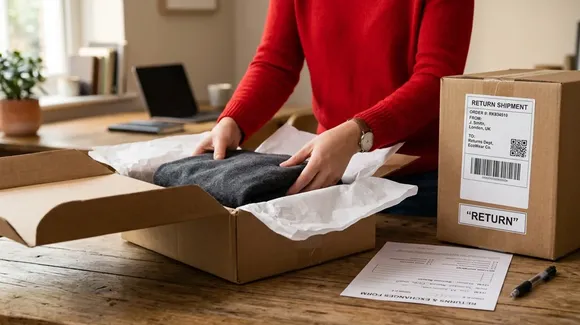









From your customer's perspective, there are three critical elements of the returns process: the simplicity of your process, the clarity of your policy and how quickly they receive their refund. This last point is perhaps the most important and plays a pivotal role in ensuring customer satisfaction. So, how can your brand ensure its refund policy meets customer expectations every time? Here’s what our experts have to say.
A customer-centric refund process
In the typical returns process, a refund won’t be initiated until the item has been received and inspected by a brand’s logistics provider. From the brand’s perspective, this step is necessary to ensure that the item is returned to stock in good condition. But for the customer, waiting for this confirmation can be frustrating. To avoid customer dissatisfaction, a brand can use one (or a combination) of the following approaches.
Prioritise clarity and transparency
The first method is to improve the transparency and visibility of the refund process. “Being kept in the dark about the status of returns and refunds can be a huge problem for customers,” explains Michelle Stolk, who manages Strategic Transport Projects at Bleckmann. “This can lead them to call your customer service department, costing your employees time. Or – worst-case scenario – they may complain about your brand online.”
There are a number of steps you can take to ensure that this doesn’t happen. The first is to implement a transparent tracking process. At Bleckmann, we track every return from start to finish thanks to our detailed 12-step tracking protocol. This ensures that customers always know where their parcels are and when to expect a refund. It’s also important to have a clear returns policy and FAQ that outlines how long customers can typically expect to wait for a refund. Being transparent about this helps to manage expectations and avoid disappointment, ensuring a positive brand experience.
Faster refunds, happier customers
As well as keeping customers informed, reducing the time it takes to process refunds is an effective way to improve the customer experience. One way to achieve this is to consolidate returns at local hubs. This means that refunds can often be triggered sooner. “At Bleckmann, we use our ‘Local Heroes’ carrier network to collect returns from customers,” explains Michelle. “Many of these partners have local returns hubs that are much closer to the customer. For example, in the UK and Nordics, a customer can give their returned item to Bleckmann or our local carrier partner for shipment to the returns hub. They can then inspect the garment and, if it’s in good condition, trigger the refund immediately. This means the customer doesn’t have to wait for the package to reach our central warehouses. We are working to introduce the same options in Spain, too.”
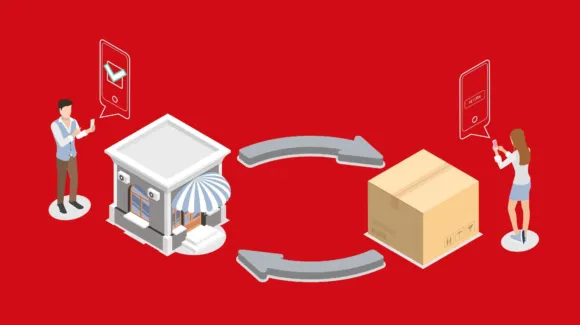
Brands with brick-and-mortar stores have yet another option to speed up the refund process: customers can simply return their items to their local brand store, where the products can be inspected by a store employee. If everything’s in order, the refund can be triggered on the spot, meaning the customer receives their money on the same day. This strategy can also reduce the transport-related emissions of the returns process.
Creating a multi-stage return process
Sometimes, the most appropriate refund strategy isn’t a traditional cash refund at all. For example, you could offer your customers the opportunity to exchange the product they’re returning for an alternative item. Providing this option encourages shoppers to try your brand’s other products rather than taking their business elsewhere. This is one way you can turn the returns process into a valuable customer retention strategy.
Another potentially effective strategy is to offer store credit or loyalty points instead of a cash refund. This helps your brand retain more value from the original transaction, helping to mitigate the costs of reverse logistics and improving long-term customer loyalty. This can be particularly effective if your brand normally charges for returns. In this case, you could offer free returns if the customer agrees to receive store credit or loyalty points rather than a cash refund. Nevertheless, it’s important to remember that many customers will expect to have the option of a cash refund, so this should still be available.
The strategic importance of your refund policy
Choosing the right time to refund your customer can mean the difference between retaining them and losing them – so it’s important to choose the ideal moment. However, finding the right balance between maintaining margins and ensuring customer satisfaction can be complex. It’s therefore important to regularly monitor customer feedback, analyse return patterns and review your refund policy – ensuring your brand has chosen the most appropriate refund strategy for your target market.
And with the returns process playing a more important role in customers’ purchasing decisions, the speed of refunds can become a key differentiator for your brand – helping you to win business, retain customers and become even more competitive.
Want to find out more about how you can optimise your refund process? Get in contact today for a free consultation with a Bleckmann expert.